
Nobody wants to overspend. It happens in small taps, one after another, until a bank statement shows up looking heavier than the month felt.
That’s the strange thing about paying with a phone. It removes almost every physical cue that used to slow a purchase down. No cash leaving your hand. No card swiped and handed back. Just a tap, a buzz, and a receipt you’ll probably never open.
Phone payments genuinely make life easier. Anyone splitting a dinner bill three ways, juggling two currencies on a work trip, or just trying to avoid a wallet stuffed with cards knows how much smoother this is than fumbling for exact change. That part isn’t in question. What’s easy to miss is the part that happens after the tap, once the convenience has already done its job and moved on to the next purchase.


Money Feels Different When It’s Invisible
Pay for a coffee with exact change sometime. Counting out the coins actually stings a little. Weird, over three bucks. But that’s the thing about cash. You feel it leave your hand. There’s a tiny sting built right into the act.
Cards took some of that sting away. Phones took the rest. Now it’s a buzz and a green checkmark, and the whole thing’s over before your brain even clocks what happened.
Try it sometime. Pay cash for something small instead of tapping. Notice how different it feels to count out bills versus glancing at a screen. Same twenty dollars either way. It just doesn’t feel the same. And that gap, between what actually left your account and what your brain registered as spending, is where a lot of overspending quietly happens.
E-Wallets Added Rewards on Top of the Problem
Card payments already dulled the sting of spending. E-wallets took it a step further by turning purchases into something that feels like a game. Cashback percentages. Loyalty points stacking up. A little animation when a reward unlocks. Every purchase starts to feel less like money leaving an account and more like progress toward something.
For someone actually trying to stick to a monthly budget, this can undo good intentions fast. Someone using a well-organized Touch n Go e-wallet guide to manage QR payments, top-ups, and bill splits will get real convenience out of it.
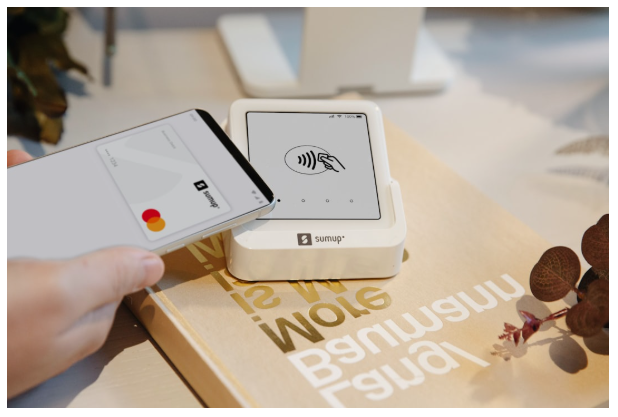
But those same features that make daily spending painless also make small, frequent charges easy to lose track of. The Casino Banking Methods aren’t the villain here. It’s just really good at its one job, which is making you forget you’re spending at all.
Small Purchases Are Doing More Damage Than the Big Ones
Most people who overspend aren’t blowing their budget on one big purchase. It’s the four-dollar coffee, the quick lunch delivery, the impulse buy during a scroll through an app, repeated daily without much thought. Phone payments make every one of these purchases take about two seconds, which means there’s almost no moment to reconsider before it’s done.
A useful trick some budgeting coaches recommend is tracking every single tap for one week, without changing behavior at all, just to see the real total. Most people are surprised by the number. It’s rarely the rent or the car payment that blindsides someone. It’s the accumulation of purchases too small to feel significant individually, but large enough together to explain where a chunk of a paycheck actually went.
The Confirmation Buzz Isn’t Actually Helping You
Every banking app fires off a little notification after a purchase clears. “Payment successful,” it says, with a soft buzz and a checkmark. It feels like transparency. It’s really just a receipt with good branding. The notification confirms something already happened. It doesn’t ask whether it was worth doing, and honestly, it was never built to.
Try muting those instant alerts for a week and switching to a single weekly summary instead. It’s a small setting change, but the effect is bigger than expected.
Instead of getting a tiny dopamine hit forty times a week that says “all done, nothing to see here,” you get one moment on a Sunday where the whole picture is sitting in front of you at once. That’s when patterns actually show up. By the time an individual buzz hits your phone, the money’s already gone. A weekly total still gives you a chance to course-correct before next week looks the same.
A Few Habits That Actually Help
None of this requires switching back to cash or avoiding e-wallets altogether, which would be impractical for most people at this point anyway. A few smaller adjustments tend to make a real difference without giving up any convenience.
Setting a specific spending category limit inside an e-wallet app, where available, adds back a bit of the friction that got removed. Reviewing a weekly transaction list rather than relying on memory catches patterns that are otherwise invisible day to day.
And treating recurring small purchases, like daily coffee or frequent delivery fees, as a monthly total instead of individual charges tends to reframe them in a way that actually changes behavior, according to research from the Consumer Financial Protection Bureau on how payment method influences spending awareness.
The Convenience Isn’t Going Anywhere
Phone payments aren’t a passing trend, and there’s no real argument for avoiding them out of principle. They’re faster, often more secure than carrying cash, and increasingly the default rather than the exception in most places people shop. The goal isn’t resistance. It’s awareness of what convenience quietly costs when nothing about a purchase makes you pause.
The tap will always feel light. That’s the entire design. The only real defense is building a habit that catches what the tap doesn’t, whether that’s a weekly review, a spending cap, or just a five-minute check of the app before a purchase becomes a pattern instead of a one-off. None of that requires giving up the convenience. It just means making sure the convenience isn’t quietly making decisions on your behalf.
