
A New Era of Global Mobility
Living across borders has become more common than ever. Remote work, international business, digital nomad lifestyles, and global families are all contributing to a world where people increasingly earn, spend, and move money across different countries. But while modern life has become more international, financial systems have not always kept pace. Delays, friction, and limited flexibility still create challenges for people who need access to money wherever they are.
That is why technology is playing such an important role in reshaping personal finance. A broader market trend is clear: users now expect financial services to be as mobile and responsive as the rest of their digital lives. They want faster access, simpler tools, and less separation between online value and real-world spending. This shift is not only about convenience. It is also about reducing complexity in a world where borders matter less in daily life, but still matter in payments.
Why Simplicity Matters in Cross-Border Finance
For anyone living internationally, managing money is rarely just about one currency or one payment method. It can involve salary transfers, online purchases, travel expenses, subscriptions, and local payments in different places. In that context, simplicity becomes extremely valuable. Financial innovation is no longer judged only by technical sophistication, but by how naturally it fits into everyday routines.


This is where digital finance and Web3 are starting to have a practical impact. Instead of treating digital assets as something separate from normal spending, newer tools are helping users integrate them into daily life. The appeal is easy to understand: people want financial solutions that offer flexibility without adding another layer of complication.
Importantly, this trend is bigger than any single product category. Mobile wallets, real-time transfers, digital identity tools, and global payment experiences are all part of the same movement. The future of finance is being shaped by systems that reduce waiting time, improve access, and give users more direct control over how they hold and use value.
Turning Digital Assets Into Everyday Utility
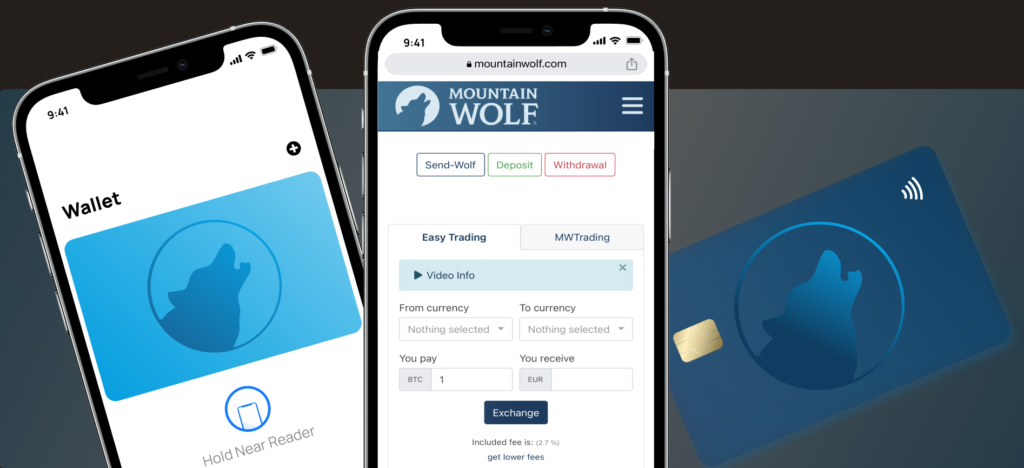
One example of this shift is the Crypto Card. A Crypto Card is a practical way to spend cryptocurrencies in real life. It can be used for internet shopping, at the point of sale, and even for cash withdrawals at ATMs. For people who move between countries or operate in international digital environments, that kind of flexibility can make digital assets feel much more useful and immediate.
Mountain Wolf touches this space by offering Crypto Card solutions designed around usability. After verification, the cards are instantly ready, which aligns with growing expectations for fast access in digital finance. They are also compatible with Apple Pay and Google Pay, making them easier to use in familiar payment environments. Another advantage is that they can be topped up in real time from any crypto wallets, helping users move between Web3 and everyday spending with less friction.The bigger story, however, is not only about one Crypto Card or one provider. It is about how innovation is changing the meaning of financial access. Cross-border living requires tools that are flexible, fast, and practical. As technology continues to simplify payments and connect digital assets with real-world use, the gap between global living and everyday finance will continue to shrink. For a look at another part of digital culture, explore celebrity sunglasses.
